.png)
Prírode blízke riešenia vnímajú prírodu ako spojenca, nie ako prekážku
Definícia Európskej komisie zdôrazňuje, že prírode blízke riešenia (NbS) nie sú len o ochrane prírody, ale o spolupráci s prírodou pri riešení spoločenských výziev holistickým, udržateľným a odolným spôsobom.

Malé prírode blízke riešenia
Nízko-prahové prírode blízke riešenia (NbS) sú malé, dostupné intervencie, ktoré môžu realizovať jednotlivci, komunity alebo miestne organizácie s relatívne nízkymi nákladmi, obmedzenými technickými znalosťami a minimálnymi administratívnymi prekážkami.
Sú obzvlášť dôležité, pretože:
-
umožňujú zapojenie občanov,
-
dajú sa rýchlo realizovať,
-
sú prispôsobiteľné miestnym podmienkam,
-
prinášajú viditeľné a konkrétne výsledky v každodennom mestskom živote.
Príklady malých prírode blízkych riešení
Vodohospodárske riešenia
-
sudy na dažďovú vodu na zachytávanie strešného odtoku
-
malé dažďové záhrady vo dvoroch alebo popri uliciach
-
vsakovacie ryhy alebo jednoduché úpravy odvodnenia
Pomáhajú znižovať nedostatok vody, riadiť dažďovú vodu a odľahčovať mestské kanalizačné systémy.
Mikrozelené intervencie
-
zazeleňovanie stromových jám
-
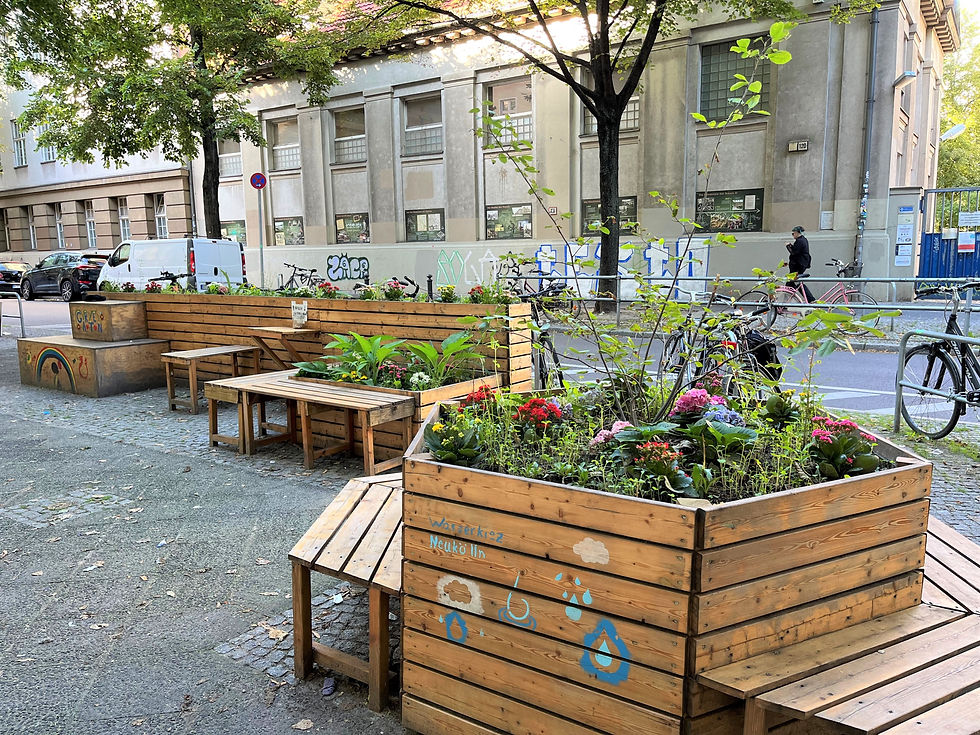
vreckové (pocket) záhrady a komunitné záhrady
-
výsadba na balkónoch a strechách
Zvyšujú mestskú biodiverzitu a zlepšujú mikroklímu.
Mikrolesy a hustá výsadba
-
minilesy (metóda Miyawaki)
-
hustá výsadba pôvodných druhov na malých plochách
Aj na obmedzených plochách rýchlo zvyšujú biodiverzitu a viazanie uhlíka.
Komunitne riadené aktivity
-
susedské výsadbové iniciatívy
-
DIY zelené steny
-
lokálne kompostovacie systémy
Tieto prístupy posilňujú miestne vlastníctvo a sociálnu súdržnosť.
Nízko-prahové NbS fungujú ako vstupný bod — ukazujú, že adaptácia na zmenu klímy nie je len proces „zhora nadol“, ale môže začať na úrovni susedstva či dokonca domácnosti.
Prínosy prírode blízkych riešení
Prírode blízke riešenia (NbS) prinášajú viacnásobné, navzájom prepojené prínosy v environmentálnej, sociálnej a ekonomickej oblasti. Ich sila spočíva v tzv. spoluprospechoch — teda v schopnosti riešiť viacero výziev súčasne.
1. Adaptácia na zmenu klímy
NbS zvyšujú schopnosť miest vyrovnať sa s dopadmi klímy:
-
znižovanie mestského tepla: stromy a vegetácia poskytujú tieň a ochladzovanie prostredníctvom evapotranspirácie
-
manažment dažďovej vody: dažďové záhrady, priepustné povrchy a pôda absorbujú prebytočnú vodu a znižujú riziko záplav
-
odolnosť voči suchu: zadržiavanie vlhkosti v pôde a systémy zberu vody podporujú jej dostupnosť
Malé DIY riešenia — ako inštalácia sudu na dažďovú vodu alebo výsadba tieniacej vegetácie — môžu výrazne prispieť k lokálnej klimatickej odolnosti.
2. Posilnenie biodiverzity
-
vytváranie biotopov pre opeľovače, vtáky a drobnú faunu
-
zlepšenie ekologickej prepojenosti v mestách
-
podpora pôvodných druhov
Aj malé zásahy, ako výsadba na balkónoch alebo zazeleňovanie stromových jám, môžu fungovať ako mikrobiotopy.
3. Zlepšenie kvality života
-
zníženie stresu a zlepšenie duševného zdravia
-
viac príležitostí na rekreáciu a sociálnu interakciu
-
posilnenie pocitu miesta a spolupatričnosti
Prístup k zelene — aj malej — má preukázateľne pozitívny vplyv na psychickú pohodu.
4. Sociálna súdržnosť a participácia
-
podpora kolektívneho konania a zapojenia komunity
-
budovanie zodpovednosti za spoločné priestory
-
výmena poznatkov a spolutvorba riešení
Nízko-prahové NbS sú v tomto smere obzvlášť účinné, pretože priamo zapájajú občanov.
5. Ekonomické prínosy
-
nákladovo efektívna alternatíva k sivej infraštruktúre
-
zníženie nákladov spojených so škodami spôsobenými záplavami a teplom
-
zvýšenie hodnoty nehnuteľností a atraktivity miest
DIY a malé riešenia sú obzvlášť efektívne vďaka nízkym nákladom na realizáciu a údržbu.
6. Vzdelávacia a transformačná hodnota
-
zvyšovanie povedomia o klíme a biodiverzite
-
podpora učenia sa praxou
-
podpora dlhodobej zmeny správania
Priame zapojenie ľudí mení spôsob uvažovania — od pasívnej adaptácie k aktívnej participácii.
Čo sú prírode blízke riešenia?
Prírode blízke riešenia (NbS) sú opatrenia, ktoré pracujú s prírodnými procesmi a posilňujú ich s cieľom riešiť spoločenské výzvy, ako sú zmena klímy, strata biodiverzity a zraniteľnosť miest. Namiesto spoliehania sa výlučne na technické alebo „sivé“ infraštruktúry využívajú NbS ekosystémy — ako sú lesy, pôda, mokrade a mestské zelené plochy — ako funkčné systémy, ktoré prinášajú viacnásobné prínosy.
NbS sú charakterizované schopnosťou súčasne:
-
podporovať biodiverzitu,
-
zlepšovať kvalitu života ľudí,
-
riešiť environmentálne výzvy udržateľným a efektívnym spôsobom využívania zdrojov.
V mestskom prostredí zohrávajú NbS kľúčovú úlohu pri adaptácii miest na zmenu klímy tým, že znižujú teplotu, riadia vodu, zlepšujú kvalitu ovzdušia a posilňujú sociálnu súdržnosť.